Fascia, Flow, and the Power of Massage
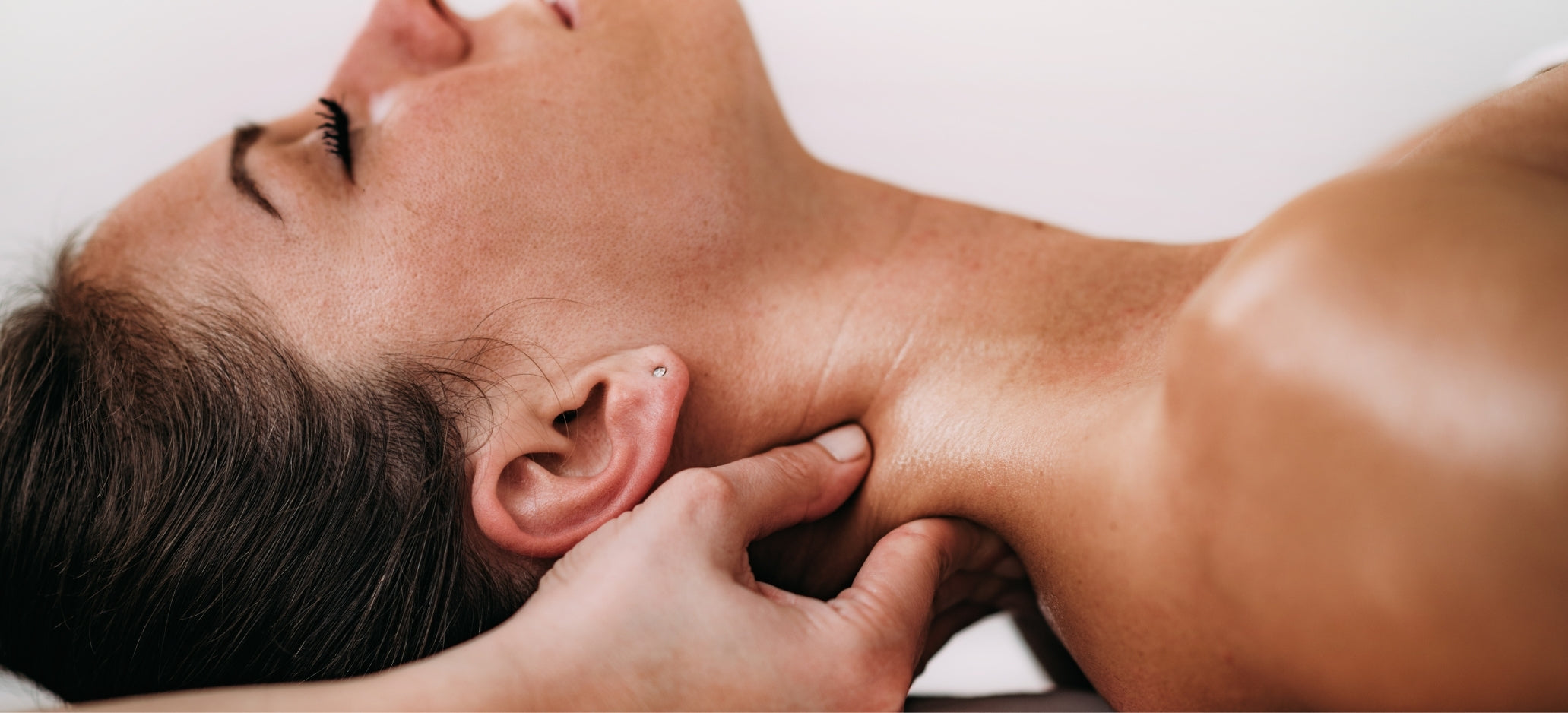
When most people think of massage, they imagine relaxed muscles and temporary tension relief. But beneath the surface, something much more profound is happening. Massage works not only with muscle, but with a remarkable connective system called fascia: a living network that influences how you move, feel, and heal.
At PURE Skin Wellness Spa, we view massage as more than bodywork. It’s communication with the nervous system, hydration for the tissues, and restoration for the entire body. Understanding fascia helps explain why massage feels so deeply transformative.
What Is Fascia?
Fascia is a continuous web of connective tissue that wraps around every muscle, bone, nerve, organ, and joint in your body. Think of it as a three-dimensional suit that holds everything in place while allowing fluid movement.
Healthy fascia is supple, hydrated, and elastic. It allows muscles to glide, joints to move freely, and circulation to flow.
But stress, repetitive movement, injury, dehydration, inflammation, and even emotional tension can cause fascia to become stiff, sticky, and restricted. When this happens, the body compensates, often leading to:
- Chronic tightness
- Limited range of motion
- Aches and pain
- Poor circulation
- Postural imbalance
- A feeling of heaviness or fatigue
Fascia doesn’t just affect how you move, it affects how you feel in your body.
Fascia Is a Sensory Organ
One of the most fascinating things about fascia is that it contains more sensory receptors than muscle. That means it plays a major role in how your nervous system interprets safety, tension, and relaxation.
When fascia is restricted, your body often stays in a subtle state of protection, a state many people recognize as “fight or flight.”
When fascia is hydrated and mobile, the nervous system receives a different message: you are safe to relax, to soften.
This is at the root behind why massage often creates emotional release, mental clarity, and a sense of grounding: not just physical relief.
Why Massage Works on a Deeper Level
Massage is one of the most effective ways to influence fascia.
Through intentional pressure, stretching, and slow sustained touch, massage helps:
- Rehydrate fascial tissue
- Break up adhesions
- Improve circulation
- Restore glide between layers
- Calm the nervous system
- Improve posture and mobility
Unlike quick stretching or exercise alone, massage communicates directly with the connective tissue. It invites fascia to change its tone and texture, moving from rigid to responsive.
This is why consistent massage doesn’t just fix symptoms. It changes how your body organizes itself.
Fascia and the Nervous System Connection
Fascia and the nervous system are deeply intertwined.
When life feels busy, overwhelming, or stressful, your body holds it physically. Shoulders rise. Breathing shortens. The jaw tightens. The hips brace. Over time, these patterns become written into the fascia.
Massage interrupts those patterns.
By slowing the tissue down, massage activates the parasympathetic nervous system, the part responsible for rest, digestion, and repair. This shift allows the body to move out of survival mode and into restoration.
Clients often describe this as:
- Feeling lighter
- Breathing deeper
- Sleeping better
- Thinking more clearly
- Feeling more present in their body
It’s not magic: it’s physiology meeting intention.
Hydration: The Missing Piece in Fascial Health
Just like skin, fascia thrives on hydration.
Fascial tissue is designed to hold water between its layers so everything can slide smoothly. When you’re dehydrated, physically or systemically, those layers begin to stick together.
Massage helps restore hydration by stimulating circulation and encouraging fluid exchange through the tissues. This is why bodywork often feels like a reset rather than just a relaxation session.
Drinking water after massage isn’t a cliché, it supports the very changes your therapist initiated in your fascia.
Emotional Storage in the Body
Fascia also plays a role in how emotions are stored and processed in the body.
Experiences, stress, and trauma often live not only in the mind, but in the tissues. Areas like the hips, chest, neck, and jaw are common holding zones.
When massage works through these areas, the release can feel physical, emotional, or both. Clients sometimes notice spontaneous sighs, tears, warmth, or deep calm.
At PURE, we hold space for that experience with intention and care. Massage becomes a form of listening, not forcing, allowing the body to unwind at its own pace.
Why Consistent Massage Matters
One massage feels good. Consistent massage changes your baseline.
With regular bodywork, fascia becomes more responsive, the nervous system learns safety faster, posture improves, and tension patterns soften instead of returning.
Instead of living in cycles of buildup and breakdown, the body stays in a state of flow.
That’s when massage becomes not just a luxury, but a form of preventative care.
Fascia as Self-Care
At PURE Skin Wellness Spa, we believe massage is part of whole-body wellness, not just a treat, but a tool.
By supporting fascia, we support:
- Movement
- Circulation
- Nervous system regulation
- Emotional balance
- Long-term resilience
When your connective tissue is free, your body feels more connected, more grounded, and more at ease.
Massage doesn’t just relax you, it reminds your body how to belong to itself again.
If you’re ready to experience the deeper benefits of bodywork, our team is here to guide you into a more connected, fluid, and supported version of self-care.
Breathe. Glow. Heal. Visit PURE Today.
PURE Skin Wellness Spa
419 S. 2nd Street, Mount Vernon, WA 98273
(360) 336-6161
Book your PURE getaway today!
Follow us on Instagram for wellness tips and spa updates: @pureskinwellnessmv
PURE Skin Wellness Spa is a luxury wellness spa located in the heart of downtown Mount Vernon, Washington. Home of the PNW Nervous System Reset, our state-of-the-art spa blends advanced skincare with holistic wellness to deliver lasting results. Our signature services—designed to support nervous system regulation, skin health, and overall vitality—go beyond the surface to promote transformative healing.